Help me Choose my Indoor Bonsai Tree

Are you struggling to find which indoor bonsai species would be most suitable for your home or office?
Struggling to find the perfect indoor bonsai for you?
Not sure which variety would best suit your lifestyle?
‘Help Me Choose My Indoor Bonsai’ is designed to find the ideal bonsai variety for you! We have tried to take into account what your home is like in terms of warmth, light and your available time, in order to make recommendations as to which indoor bonsai may suit you best.
Find the right indoor bonsai for your home or office. Answer a few quick questions and we’ll recommend the best species for your light, room temperature and care level—complete with match scores, highlights and easy care tips.
Help Me Choose My Indoor Bonsai
Please answer a few short questions and we’ll match you with the perfect indoor bonsai varieties for your space and lifestyle. When you’re done, you’ll be taken straight to the ideal species category to start exploring your best matches.
Your best indoor bonsai matches
Based on your answers, here are the top varieties for your home. Click through to shop that species at Bonsai Direct.
We only grow indoor bonsai species which grow well in the UK.
| Bonsai Variety | Main Features | Flowering/Fruiting | Fast/Slow Growing | Environment | Tree Symbolism | Image |
|---|---|---|---|---|---|---|
| Chinese Elm Ulmus parvifolia | Very twiggy Beautiful proportions & very pretty leaves Best representation of a woodland tree | ✗ | Fast | Not fussy. Easy care. A relatively hardy species. | Inner strength, Intuition, Wisdom & Love | 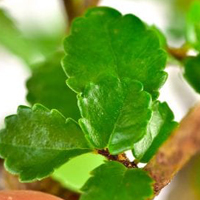 |
| Fukien Tea Tree Carmona microphylla | White summer flowers Emerald green waxy leaves Neat & compact habit | ✓ | Slow | Prefers a warm position, with stable temperature. Avoid cold draughts. Keep slightly damp & not wet. | Courage, Heart Love & Devotion | 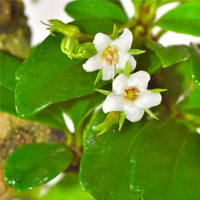 |
| Chinese Sweet Plum Sageretia theezans | Foliage has hints of red turning to green Tiny plum-shaped purple fruits Flaky bark revealing tones of red/tan | ✓ | Medium | Not fussy. Easy care. | Protection, Creativity, New Life & Warm Wishes | 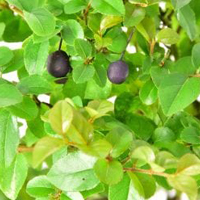 |
| Banyan Tree Ficus retusa | Deep green glossy leaves Incredible aerial root system Silvery striation on bark | ✓ | Medium | Easy care & will tolerate lower light levels. | Health, Fertility, Love | 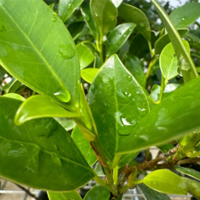 |
| Roseapple / Myrtle Syzygium buxifolium | Soft cream flowers and long stamens Small cherry-like bright red fruits Blush red tips to the new leaves | ✓ | Fast | Not fussy. Easy care. A relatively hardy species. | Love, Long life Good fortune Joyful living | 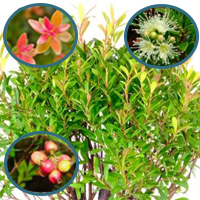 |
| Aromatic Pepper Tree Zanthoxylum piperitum | Zesty Citrus Clean fragrance when pruned Tiny leaves in vibrant bright green Fissured bark | ✓ | Fast | Not fussy. Easy care. | Purification Healing, Protection Peace & Harmony | 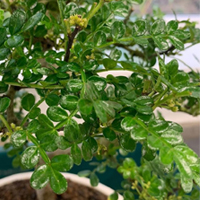 |
| Tree of a Thousand Stars Serissa foetida | Beautiful star-shaped small white flowers Textured creamy bark Artistic root structure | ✓ | Slow | Prefers a warm position, with stable temperature. Avoid cold draughts. Keep slightly damp & not wet. | Well being Good luck Hope | 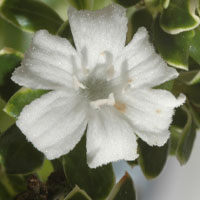 |
| Money Plant / Jade Portulacaria afra | Small smooth-edged ‘Gem-like’ leaves Excellent air purifier Textured bark & flexible trunk & branches | ✗ | Fast | Incredibly low-maintenance, thriving in drier soil & requiring minimal watering | Good luck Prosperity | 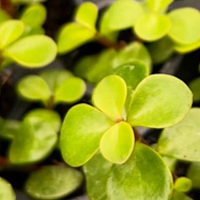 |
| Chinese Blush Tree Loropetalum Chinensis Rubrum | Stunning purple foliage Bright pink spidery flowers. | ✓ | Fast | Not fussy. Easy care. A relatively hardy species | Strength, Light Hope, Cleansing Inspiration | 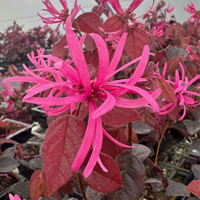 |
| Chinese Privet Ligustrum sinense | Pretty white flowers Bark features a green hue and gnarly texture Fresh spring green leaves | ✓ | Fast | Not fussy. Easy care. A relatively hardy species | Peace Harmony Friendship | 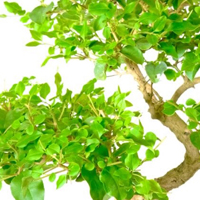 |
| Purple Blossom Bonsai Cuphea | Prolific purple star shaped flower Long flowering season Tiny bright green leaves | ✓ | Fast | Not fussy. Easy care. | Good luck Wishes which come true | 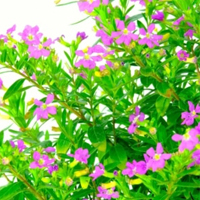 |
When buying a bonsai, there are several important factors to consider to ensure you select a healthy and suitable tree. Here are some key points to keep in mind:
– Species Selection
Research different bonsai tree species to find one that suits your preferences and matches your skill level. Consider factors such as size, leaf type, growth characteristics, and whether it is suitable for indoor or outdoor cultivation.
– Nebari (Root Exposure)
Examine the nebari, which refers to the visible spread of surface roots at the base of the tree. A bonsai with a well-developed nebari gives the impression of age and stability.
– Bonsai Style
Consider the style you prefer for your bonsai, such as formal upright, informal upright, s-shaped, or something else. Choose a tree that possesses the inherent qualities and potential to achieve your desired style.
– Age and Maturity
Determine if you prefer a younger bonsai to develop and train yourself or a more mature bonsai that already exhibits the desired characteristics. Older bonsai trees may have more refined features but come at a higher price.
– Care Requirements
Understand the care needs of the bonsai species you choose. Consider factors such as watering frequency, sunlight requirements, temperature tolerance, and fertilisation needs. Ensure you can provide the necessary care to keep the bonsai healthy and thriving.
– Budget
Set a budget based on the quality and size of the bonsai you desire. Keep in mind that older or more established bonsai trees tend to be more expensive due to their development and refinement.
– Personal Connection
Choose a bonsai that resonates with you on a personal level. Consider the emotional appeal, aesthetics, and the connection you feel with the tree. A bonsai that speaks to you will bring greater joy and satisfaction.
By considering these factors, you can make an informed decision and select a bonsai that aligns with your preferences, care abilities, and long-term goals. Remember, bonsai is a living art form, and your dedication and nurturing will contribute to its growth and beauty over time.