Caring for a bonsai is deeply rewarding, and the good news is that serious health problems are actually quite rare. Most people enjoy their bonsai for years with little trouble at all. However, when a tree does start to look sick or “dying,” it can understandably feel alarming. The truth is, in most cases, your bonsai is not beyond saving. With the right diagnosis and a little care, your tree has an excellent chance of bouncing back—especially if you act quickly.
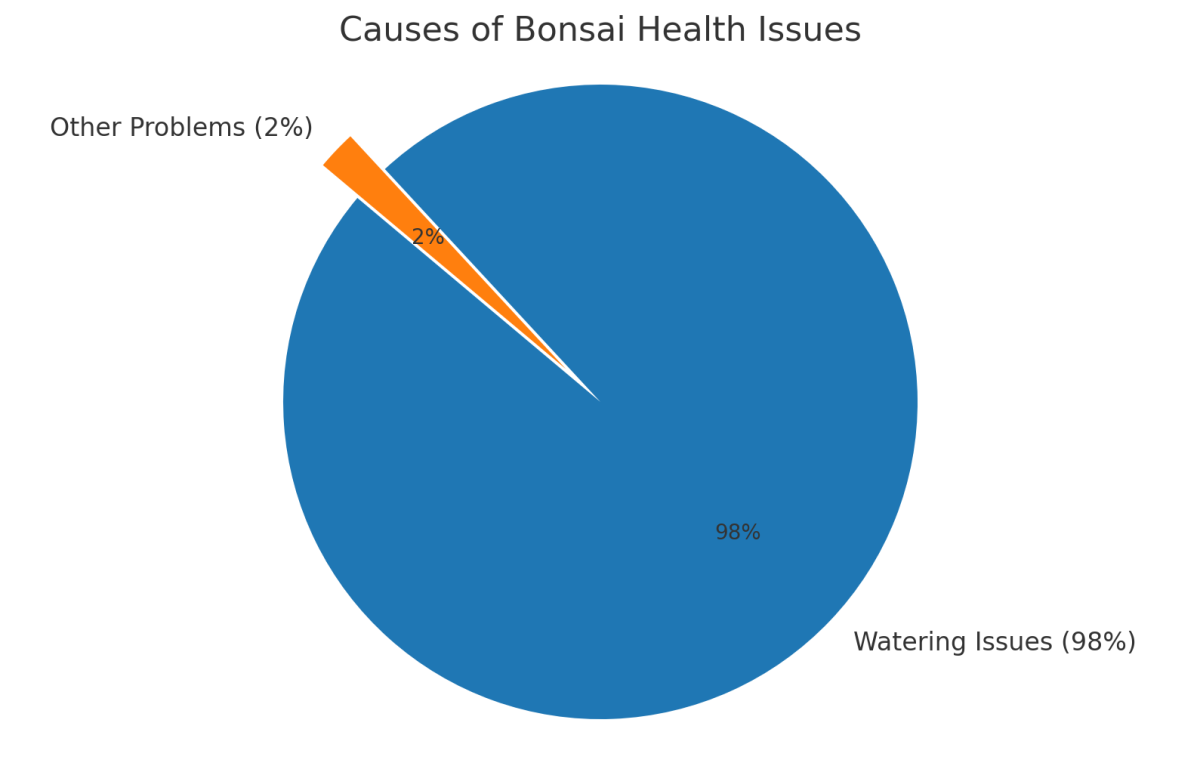
It’s easy to panic and assume the worst, but the majority of issues aren’t caused by pests or disease. In fact, around 98% of bonsai health problems come down to watering—either too much or too little. Because bonsai live in small pots with limited soil, they are much more sensitive to watering mistakes than plants growing in the ground.
Getting watering right is therefore the single most important skill in bonsai care. Master this, and your tree is far more likely to stay healthy, resilient, and a joy to grow.
Recognising the Signs of a Dying Bonsai
A bonsai under stress may show:
Yellowing, browning, or curling leaves
Drooping branches or sudden leaf drop
Dry, brittle twigs and no new growth
Soil that is bone-dry or constantly soggy
Not every change means your bonsai is dying. For example, deciduous trees naturally drop leaves in autumn, while evergreens stay green year-round. Furthermore, bonsai can drop leaves when reacclimatising to their new location or when the seasons change. Timing and context are key.
Step 1: Check Watering and Soil
Overwatering → Yellow or brown leaves, soft roots, tree feels loose in the pot. Underwatering → Dry soil, crispy leaves, twig dieback.
💡 Tip: Water only when the topsoil feels slightly dry. Always ensure good drainage and never leave water standing in trays. If you suspect root rot, get expert advice before repotting.
Fungal problems: powdery mildew, leaf spot, or root rot
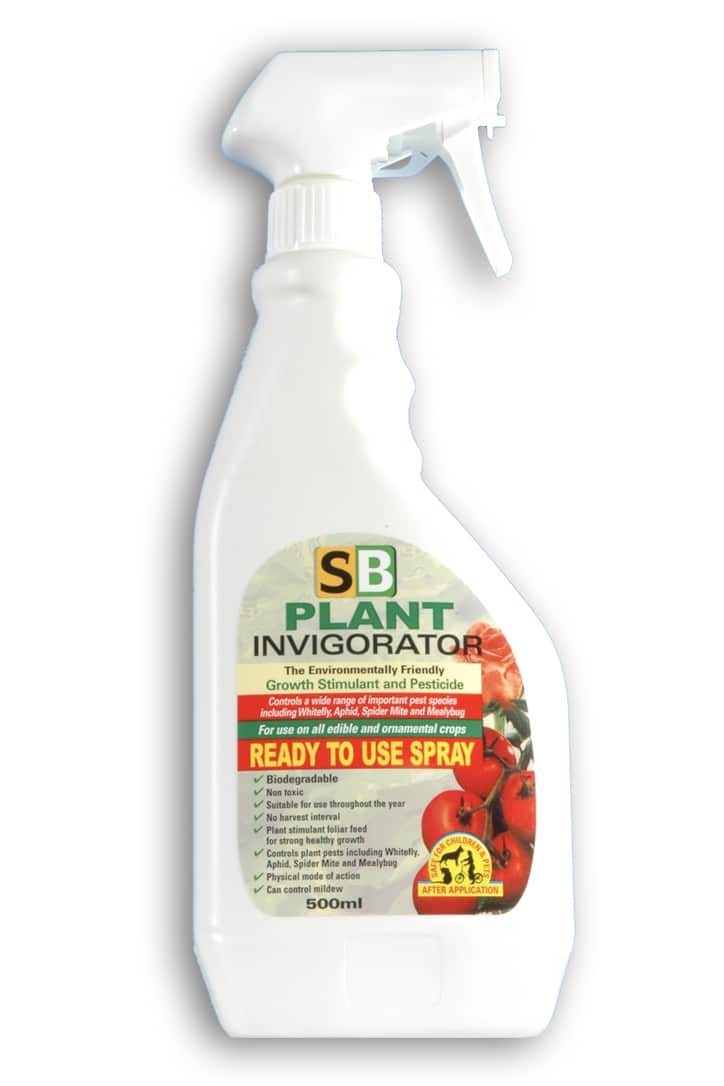
Look under leaves and along branches for sticky residue, spots, or webs. Treat with a safe insecticide or fungicide if needed. Preventative sprays or plant invigorators can also keep pests and diseases at bay.
Personally, I recommend using a plant invigorator as part of your regular bonsai care routine. I like to use it at least once a week, making sure to spray under the leaves as well as on top. The reason is simple—it isn’t a harsh chemical or an “active” treatment, but more of a gentle preventative measure. It helps protect against both pests and fungal problems while also providing a foliar feed to keep the bonsai strong and healthy. This kind of weekly conditioning is so much better than having to deal with a problem later on. Although this SB Plant Invigorator isn’t designed specifically for bonsai trees, we’ve been using it successfully for many years. I’d always prefer to use a non-toxic product preventatively than face potential issues down the line.
Lloyd Noall
Step 3: Evaluate Light and Environment
Bonsai are sensitive to their surroundings.
Too little light indoors → weak, leggy growth
Too much heat/drafts → dryness and stress
Sudden changes in position → shock
Warm-loving trees (e.g. Serissa, Carmona) in the cold → blackened leaves
Place your bonsai in bright, indirect light and keep its environment stable.
Our best advice, if you think your bonsai has root rot is not to touch the roots. Let them recover making sure the soil is very slightly damp (neither wet or dry). If you believe the bonsai is pot bound (the roots are solid and can no longer grow) then you will need to re-pot the bonsai into a larger pot with some fresh soil or give the bonsai a gentle root prune. Be careful when you root prune as diddernet species are best done at different times of the year. For indoor bonsai we recommend mid-summer. If you believe the bonsai has root rot, we suggest you get some advice before you do anything drastic, because re-potting could make the situation worse.
Treat pests or fungus promptly
Provide stable light and temperature
Recovery takes time—don’t expect overnight results. Avoid heavy fertiliser until you see healthy new growth. This could take up to 8 weeks.
An Important Note: If you feel you have over or underwatered a bonsai, please keep the soil just damp to the touch. It can be tempting to let the bonsai dry out or give it lots of water, but this can further stress the bonsai.
Step 5: Feeding Your Bonsai
Yellow leaves can also signal lack of fertiliser. Feed weekly with diluted bonsai fertiliser unless your tree is stressed. If you’re already feeding but leaves remain yellow, check watering again.
Even if your bonsai looks sick, most trees can bounce back with the right care. Think like a bonsai detective: observe, diagnose, and adjust. With patience and consistency, your bonsai will return to health and beauty.
Why does my bonsai look like it’s dying? Usually due to watering, pests, lack of light, or environmental stress.
Can I save a dying bonsai? Yes—most recover with the right care.
How long does recovery take? Anywhere from a few weeks to a few months.
Should I fertilise a sick bonsai? Not immediately. Wait for new growth before feeding again.
If you are concerned or have not been able to establish the cause of your bonsais deterioration please check out Bonsai Trouble Shooter. This has pictorial help which you may find easier to recognise the symptoms.
If you need further help please send us a photograph of your bonsai tree (in good daylight). Please either e-mail the photo to help@bonsaidirect.co.uk or What’sApp the photos to 07860 165086. Please remember to include your name and order number.
Can I Save My Dead Bonsai Tree?
The honest answer is no. You can’t save a bonsai that’s truly dead. It’s a bit like taking a cat to the vet. If the poor thing has passed away, no amount of expert care can bring it back. Whether you can save your bonsai depends on if it’s truly dead or just stressed. Here’s how to check its condition:
How to Tell if Your Bonsai is Alive or Dead
Scratch Test: Gently scratch the bark with your fingernail or a small knife. If the layer underneath is green and moist, the tree is still alive. If it’s brown and dry, that part is dead.
Branch Flexibility: Bend a small branch carefully. If it’s flexible and bends without breaking, it’s alive. If it snaps easily and feels brittle, that part is dead.
Look for New Growth: Check for buds, tiny leaves, or new shoots. Any signs of new growth mean the tree is still alive.
When Your Bonsai is Dying
If there’s no green under the bark anywhere, all branches snap dry and brittle, and no new growth appears after several weeks, the bonsai is likely dead and can’t be saved.
With the right care, many bonsai trees can recover from stress, so it’s worth checking carefully and acting quickly. If your bonsai tree has regrettably died, please don’t be disheartened. 🌱 We’ve all had little “accidents” along the way – it’s simply part of the learning journey. Every bonsai enthusiast, even the most experienced, has lost a tree at some point.
What matters most is not giving up. Bonsai is a truly rewarding hobby, full of creativity, calm, and joy. Each tree you care for will teach you something new, helping you to grow in both skill and confidence. With patience and practice, your next bonsai could thrive for many years to come – and bring you endless satisfaction along the way.
Olea Noall
28th August, 2025
Olea Noall
Olea Noall has grown up surrounded by bonsai at Bonsai Direct, as the second daughter of bonsai expert Lloyd Noall. Caring for these miniature trees comes completely naturally to her — it’s something she has lived and breathed from an early age.
Really helpful breakdown of how to tell if a bonsai is actually dying versus just stressed. I’ve found that checking the roots early on makes a huge difference—sometimes it’s just overwatering or poor drainage rather than the tree itself being beyond saving. It’s reassuring to know that with the right adjustments, many bonsai can bounce back.







Felix Barton –
Really helpful breakdown of how to tell if a bonsai is actually dying versus just stressed. I’ve found that checking the roots early on makes a huge difference—sometimes it’s just overwatering or poor drainage rather than the tree itself being beyond saving. It’s reassuring to know that with the right adjustments, many bonsai can bounce back.