

The Olive Bonsai Tree: Timeless Beauty and Meaning
The olive tree (Olea europaea) has been cherished for thousands of years. Its silvery leaves, twisted bark, and toughness make it a lasting symbol of peace, wisdom, and prosperity. As an olive bonsai tree, it becomes even more remarkable—a living piece of history, shaped with patience and care.
A Tree of Legends
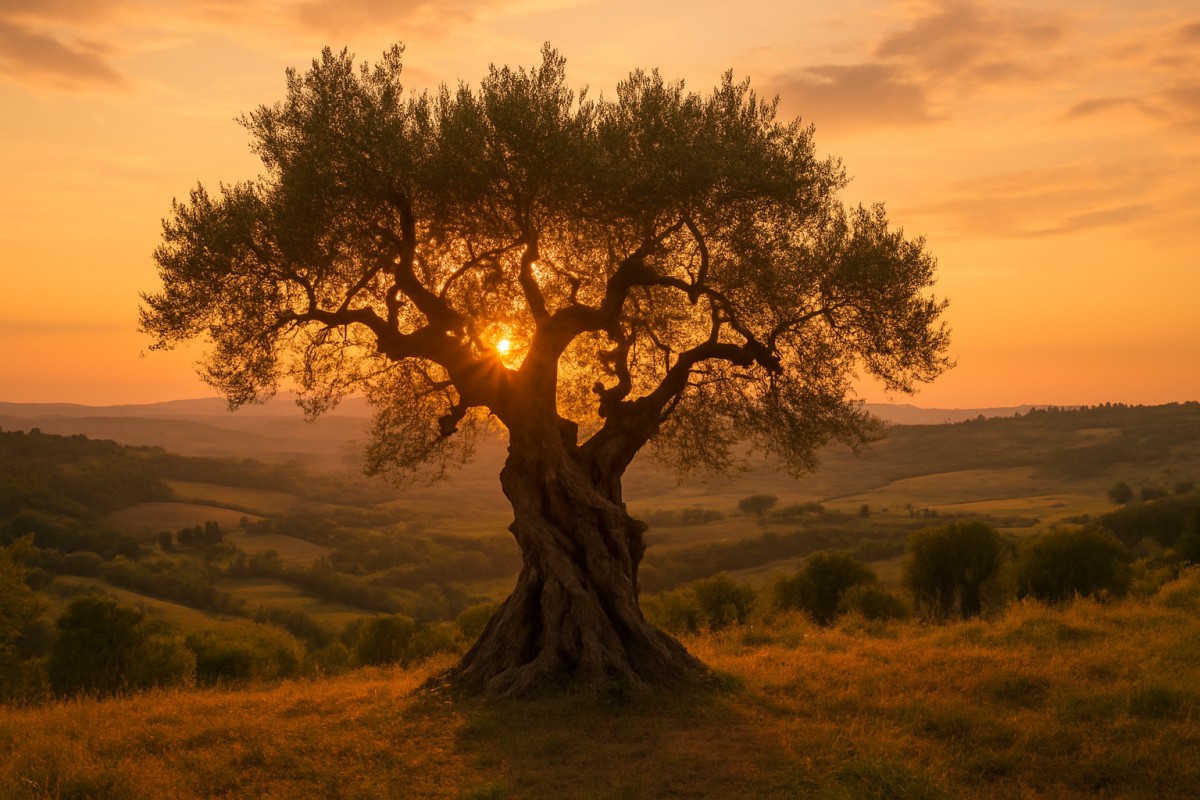
The olive tree runs deep in myth and culture. The Greeks believed Athena gifted it to Athens, securing their devotion. In the Bible, a dove brought Noah an olive branch, forever tying the tree to peace and new beginnings. Across the Mediterranean, it symbolises endurance and renewal. Even when cut back to a stump, olives sprout again from their roots. Some wild trees are more than 2,000 years old and still fruiting today.
Beauty in Miniature
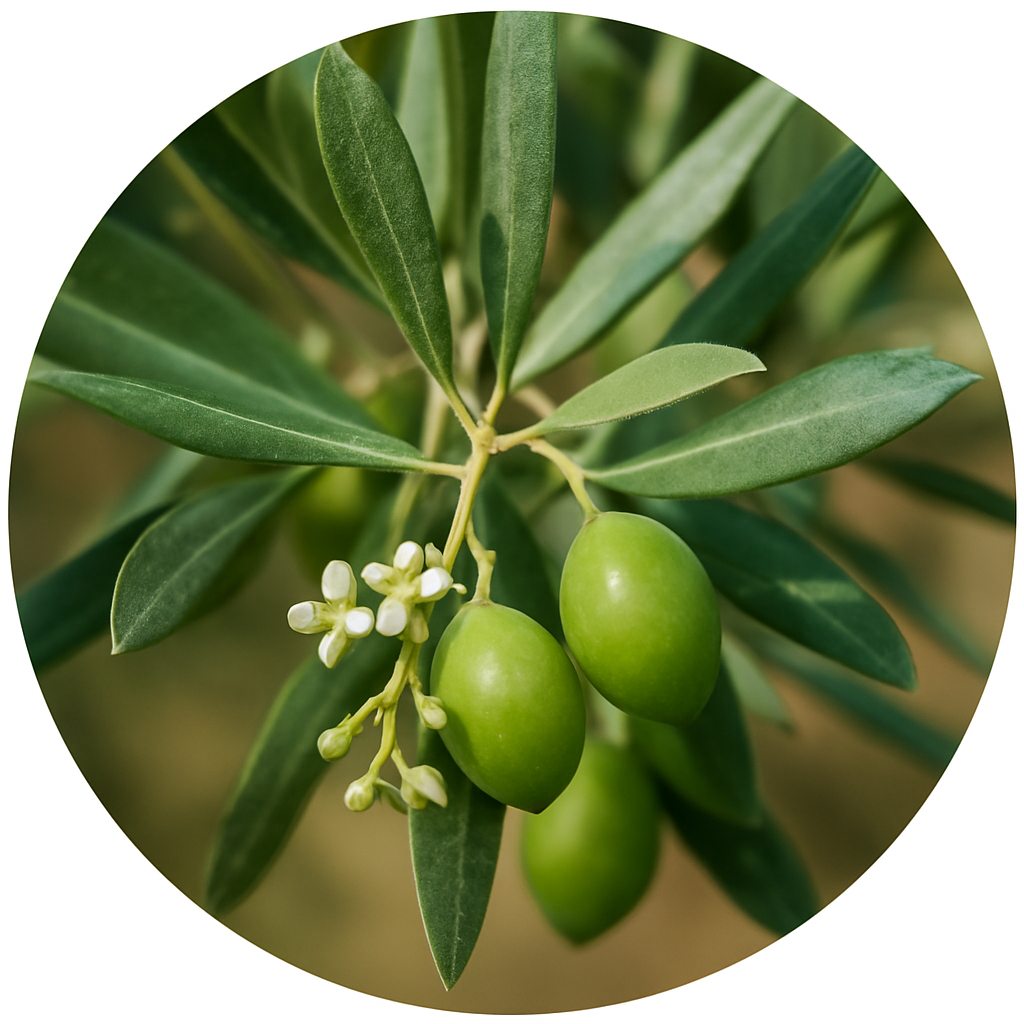
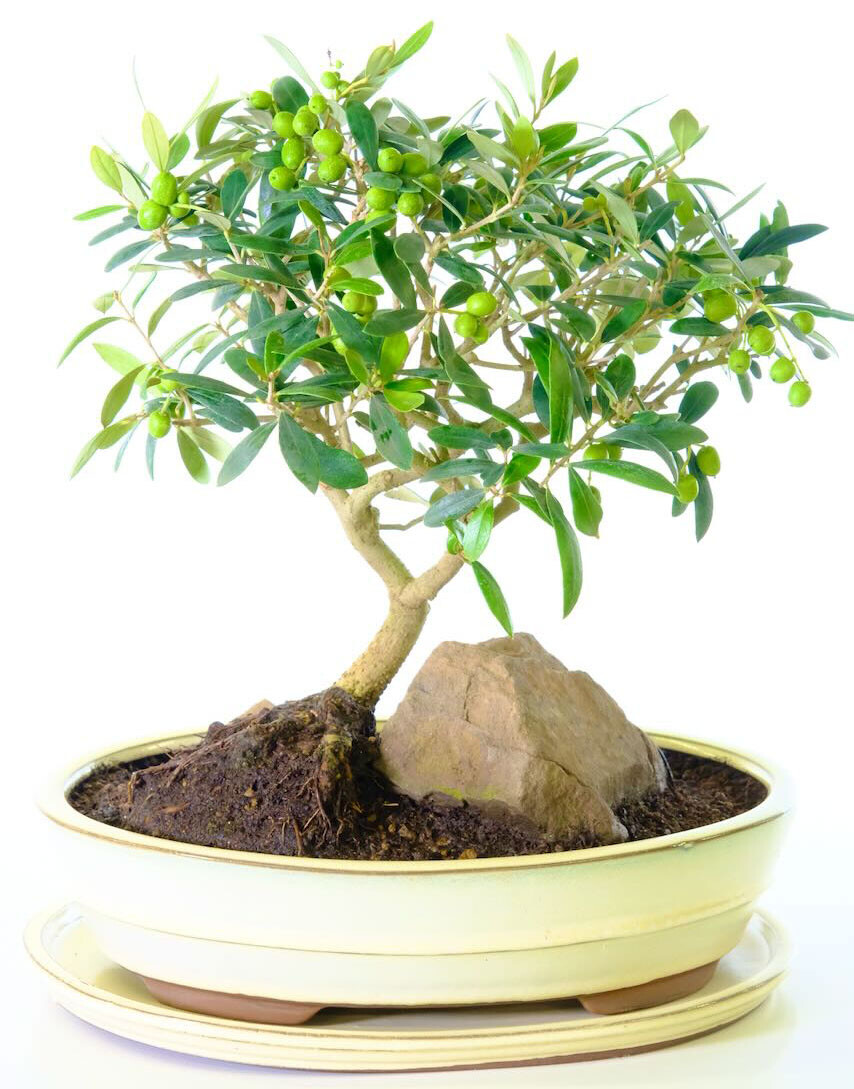
Olive bonsai are easy to recognise. Evergreen leaves shine in a silvery-green glow, reflecting light like jewels. With age, trunks grow cracked and gnarled, telling a story of time even in younger trees. In spring, tiny white flowers appear. With warmth and care, small olives follow—miniature echoes of their homeland.
The root flare of a mature olive bonsai is striking. Paired with rugged bark, it creates the illusion of an ancient giant in miniature form.
Olive Bonsai Symbolism
Bonsai represents patience, harmony, and balance between people and nature. Combine this with the olive tree’s meaning of peace, prosperity, and longevity, and the result is powerful. An olive bonsai is more than a tree—it’s a gift of friendship, reconciliation, and resilience.
Fun Facts About Olive Bonsai
- Farmers first cultivated olives over 6,000 years ago.
- Even when cut down, roots sprout new life.
- Olive oil once fuelled lamps, scented perfumes, and acted as currency.
- More sunlight creates tighter foliage and finer bonsai detail.
- Slow growth demands patience, but with time, olives develop the rugged beauty prized by bonsai artists.
A Tree That Rewards Care
Olive bonsai are a joy to grow. They thrive in warmth and sun, preferring soil that’s kept slightly dry rather than soggy. Regular pruning encourages dense branching and refined structure. With time, every scar and curve tells its story—adding to the depth and character of this extraordinary bonsai.
🌿 From Tuscan Hills to Bonsai Pots: My Love Affair with the Olive Tree 🌿
As a bonsai, the olive brings all of that Mediterranean charm into miniature. I adore the way its foliage shimmers—a soft, silvery-green that changes character as the light moves across it. In spring, it delights with tiny white flowers, delicate and fragrant, followed by the promise of little fruits that seem to carry the story of its ancestry in every bead.
What captivates me most, though, is its character. Few species offer so much—elegant leaves, rugged bark, beautiful flowers, and symbolic fruits. The trunk often twists with a natural rhythm, flowing as if sculpted by time itself. Every curve feels intentional, every scar a part of its story.
Olea: Why the Olive Tree Holds My Heart
We love the olive so deeply that we even named our daughter Olea—the Latin name for olive. For us, For us, the olive feels like part of our story. Every glance at it evokes the warmth of sun-drenched hillsides, shared meals, and the strength of family. It captures everything I love about nature—beauty, generosity, and quiet resilience—while reminding us of the landscapes and traditions that inspire us, and of belonging to something greater than ourselves.
To me, the olive tree embodies romance, resilience, and richness all at once. It has everything: history, beauty, fragrance, fruit, and a spirit that whispers of sun-drenched days in faraway groves. No matter how many bonsai I encounter, the olive will always remain one of my greatest loves.”
Sarah Noall
Olive Bonsai Tree Care
The Olive bonsai (Olea europaea) is not only symbolic but also surprisingly easy to care for. With the right balance of light, water, and pruning, this Mediterranean beauty will reward you with lasting charm and character.
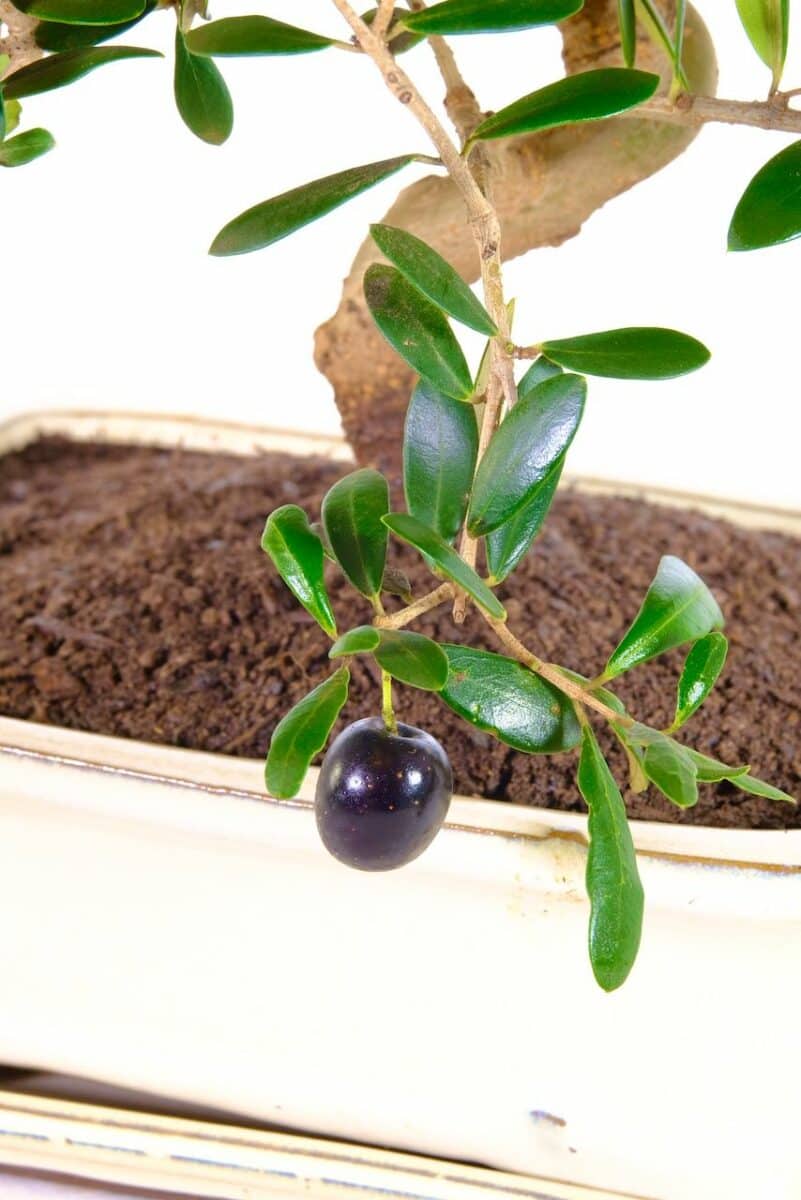
Close up of the olive bonsai fruit
Position and Light
Olive bonsai thrive in full sun. Place them outdoors in a bright, sheltered spot where they can soak up as many hours of sunlight as possible. Indoors, they need a very bright, cool space—such as a sunroom or unheated greenhouse. During winter, protect them from frost by moving them into a cool, frost-free room or greenhouse.
Watering
Check the soil daily in summer. Water when the topsoil begins to dry, but never allow it to dry out completely. Olives prefer slightly drier conditions to soggy roots, so make sure your pot has excellent drainage. Water thoroughly until it runs from the base of the pot, then allow the soil to settle before watering again. In winter, reduce watering slightly but don’t let the roots dry.
Feeding
Feed your Olive bonsai every two weeks during the growing season (spring through early autumn). A balanced bonsai fertiliser, such as Bonsai Direct feed, will keep foliage glossy and growth strong. When winter slows growth, reduce or stop feeding until spring returns.
Pruning and Styling
Olives respond well to pruning. Carry out structural pruning in late spring or early summer, when the tree is full of energy. Maintenance pruning, such as pinching back new shoots, can be done regularly to refine the shape and encourage ramification. Wire young branches in spring, but handle older wood with care as it becomes brittle with age. With time, pruning creates the beautifully gnarled trunks and refined canopy that make Olive bonsai so distinctive.
Flowers and Fruit
A mature Olive bonsai may reward you with small, creamy-white flowers in late spring. With warmth and consistent care, these flowers can develop into tiny olives by autumn—a delightful reminder of their Mediterranean roots.
Repotting
Repot every two to three years in early spring, just before new growth begins. Use a free-draining bonsai soil with added grit or sand to keep roots healthy. Trim the roots moderately when repotting, then water well to settle the soil around the fresh root system.
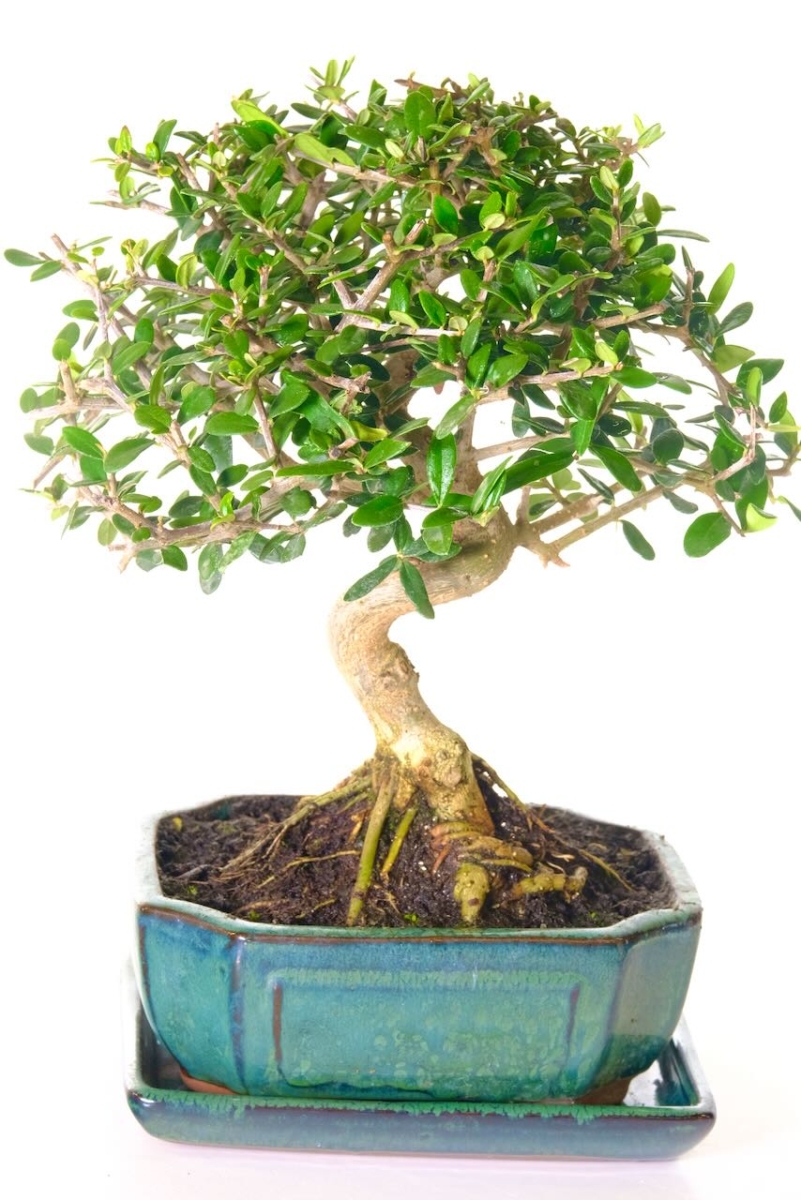
Miniature Leaved Olive Bonsai Tree
Quick Care Tips
- Give as much sunlight as possible.
- Keep soil slightly drier rather than wet.
- Protect from frost and harsh winds.
- Prune regularly to maintain balance and structure.
- Repot every few years for strong root health.
Final Thought
The Olive bonsai is hardy, long-lived, and deeply rewarding to grow. Its evergreen beauty, cultural symbolism, and rugged character make it a perfect bonsai for beginners and collectors alike. Over time, it develops a timeless presence—an enduring miniature of one of the world’s most legendary trees.



Ali Jay –
I love how you connected the olive bonsai to something deeper than just its appearance—it really highlights how bonsai can carry personal meaning as well as beauty. The symbolism of peace and resilience tied to the olive tree feels especially fitting for a living piece you nurture over time. It’s inspiring to think about how these trees become part of our own stories as they grow alongside us.